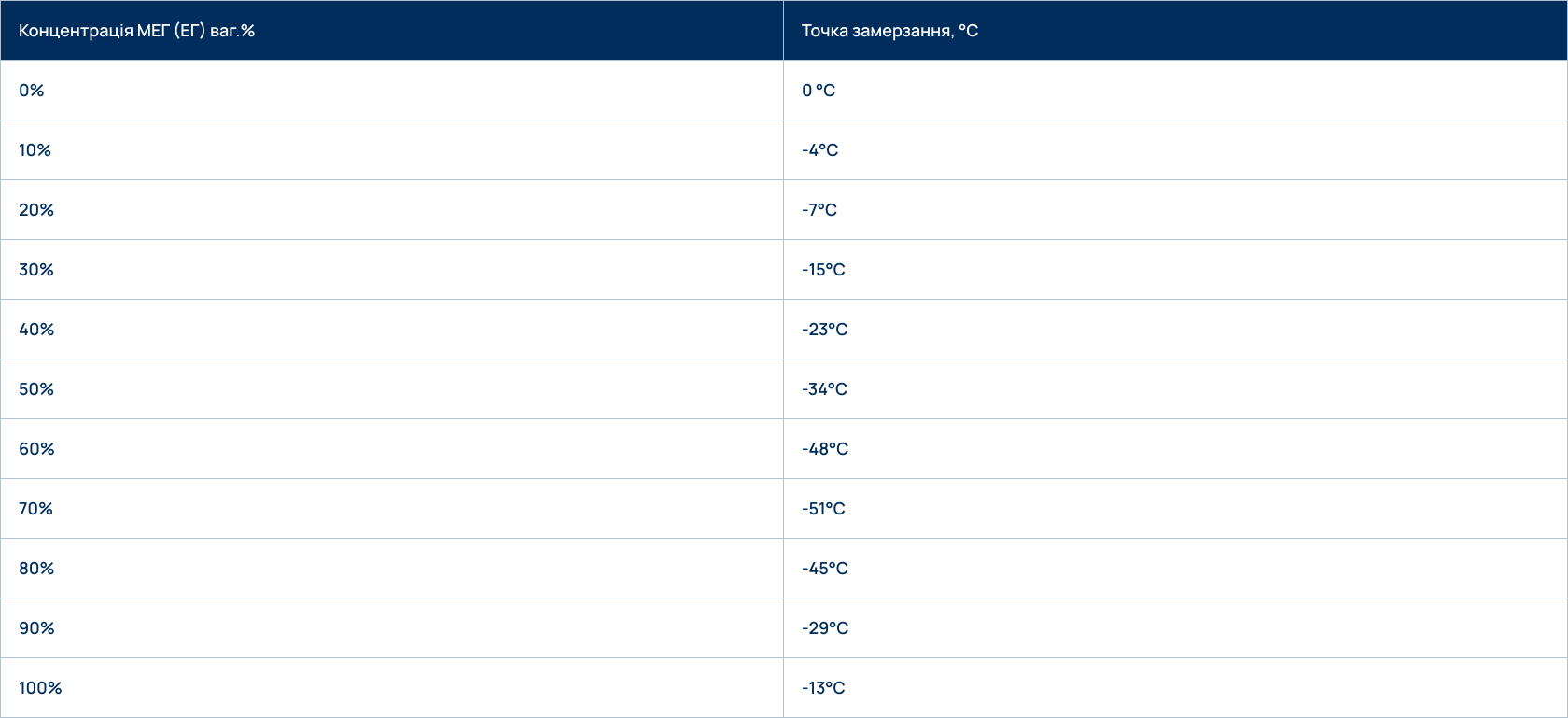

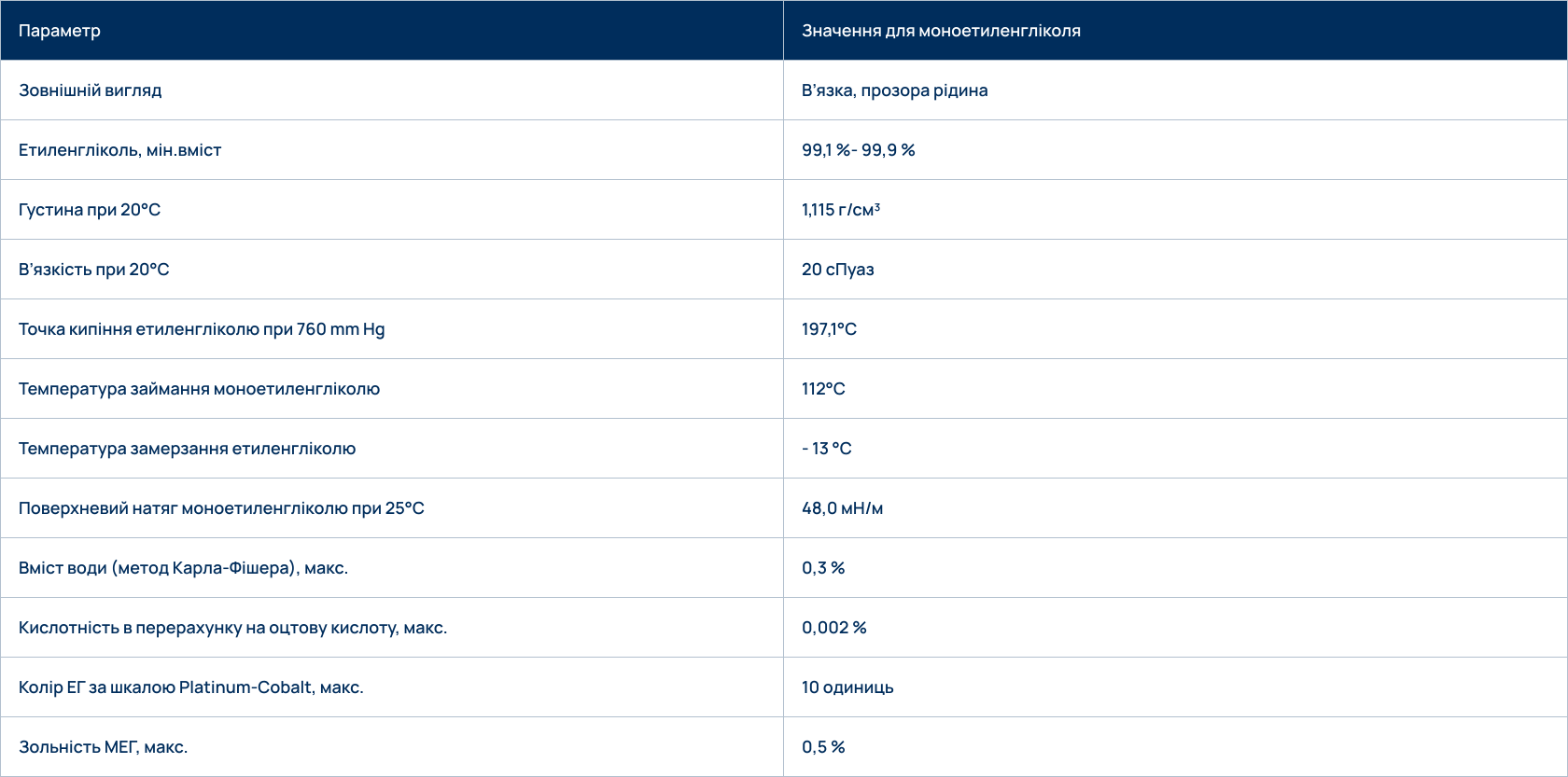
Monoethylene glycol (MEG)— it is a clear, viscous liquid without color, oily consistency, odorless. It is mixed with water in all proportions, as well as with alcohols, aldehydes and other organic compounds. Ethylene glycol (EG) does not dissolve rubber, cellulose acetate, heavy oils of vegetable and mineral origin. When mixed with water, the hydrogen bonds of MeGu are broken and the freezing temperature of the mixture is significantly reduced. EG is a low-slip and hygroscopic compound. Toxic.
Molecular Formula:C2N6O2
CAS No.:107-21-1
Acronym:MEG, EG
Application of Monoethylene Glycol:
Dependence of the freezing temperature of a solution of ethylene glycol in water on the concentration of EG